

The way we experience travel has undergone a dramatic transformation in recent years. Remember when planning a trip meant printing paper maps and buying calling cards? Those days are quickly fading as smart travel has evolved from a luxury into a necessity. Connectivity has become the backbone of modern exploration, allowing us to navigate unfamiliar streets, translate foreign languages, and share experiences in real-time.
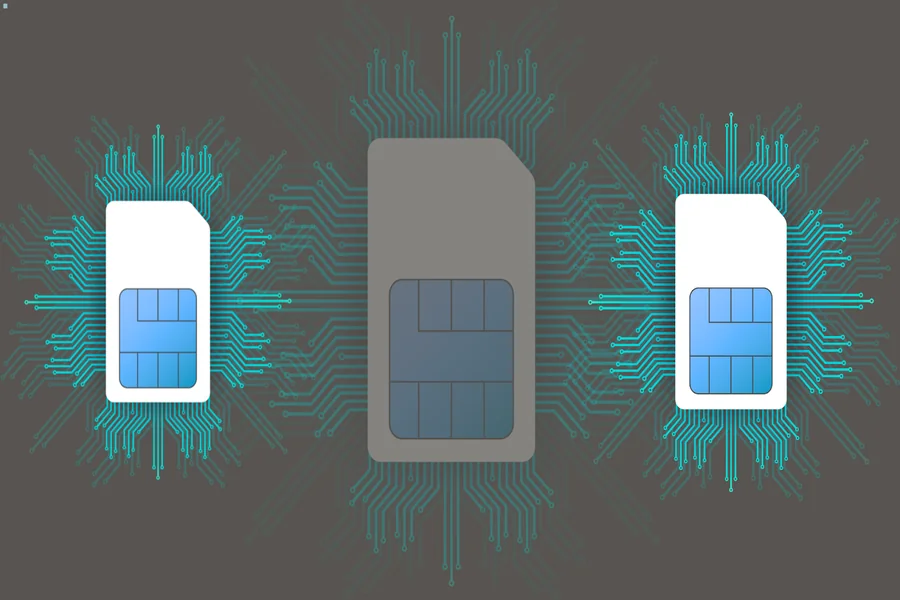
At the heart of this connectivity revolution is eSIM technology, a tiny but powerful innovation changing how we stay connected abroad. According to a recent report, the global eSIM market is expected to grow to 25.8 billion USD by 2028. As travelers demand more seamless experiences, the traditional plastic SIM card is giving way to its digital counterpart, bringing with it a host of benefits that promise to reshape the future of international connectivity.
The Evolution of Travel Connectivity: From Physical SIMs to eSIM Technology
The journey from bulky physical SIM cards to embedded digital profiles represents one of the most significant shifts in travel technology. This evolution mirrors our broader transition toward more integrated, streamlined digital experiences.
The Birth and Development of eSIM Technology
eSIM technology emerged as a response to these limitations, offering a programmable alternative that’s embedded directly into devices. Unlike physical SIMs, these digital profiles can be activated remotely and store multiple carrier profiles simultaneously.
The technology first appeared in select high-end devices but has rapidly expanded across device categories. From smartphones and tablets to smartwatches and laptops, manufacturers have recognized the value of global esim unlimited data for increasingly mobile consumers who expect hassle-free connectivity.
The Limitations of Traditional Travel SIM Cards
Traditional travel SIM card options have long presented frustrating obstacles for international travelers. These physical cards require manual swapping, often leading to lost or damaged cards, compatibility issues with locked phones, and the inconvenience of finding local retailers in unfamiliar locations.
Physical SIMs also demand separate cards for each country or region, leading to a collection of tiny plastic cards that travelers must organize and keep track of throughout their journey. This fragmented approach creates unnecessary stress during what should be an enjoyable experience.
How eSIMs Are Revolutionizing International Connectivity
The impact of eSIM on international travel extends beyond mere convenience. This technology eliminates border restrictions by allowing travelers to switch carriers without changing physical components.
With a few taps on your screen, you can purchase and activate a local data plan upon landing in a new country. This instant connectivity means no more wandering airports searching for SIM desks or paying inflated roaming fees.
The days of returning home to shocking phone bills are numbered as eSIMs put control directly in travelers’ hands.
Core Benefits of eSIM for Smart Travelers
The advantages of embracing eSIM technology extend far beyond basic connectivity. Smart travelers are discovering numerous ways this innovation enhances their journeys while addressing common travel pain points.
Instant Activation and Flexibility Across Borders
One of the most celebrated benefits of eSIM is the ability to activate service instantly. Rather than hunting down a local mobile shop after a long flight, travelers can prepare their connectivity before departure.
This preparation means you’ll have navigation and communication tools working the moment your plane lands. Additionally, maintaining your home number while using local data rates offers the perfect balance of accessibility and affordability.
Multiple profiles on a single device mean you can switch between carriers as you cross borders without physically changing anything in your phone.
Cost Efficiency and Budget Management for Travelers
eSIMs deliver significant financial benefits by eliminating expensive international roaming charges. By purchasing data directly from local or specialized international providers, travelers typically save 60-80% compared to traditional roaming fees due to international roaming.
The ability to pre-purchase exact data amounts also prevents overbuying. You’ll no longer need to guess how much data to purchase for a week-long trip—instead, you can start with a modest plan and top up as needed.
Competition among eSIM providers has also driven prices down while improving service quality, creating better value for consumers.
Environmental Impact: The Sustainable Choice for Eco-Conscious Travelers
The future of travel increasingly factors in environmental considerations, making eSIM’s ecological advantages particularly relevant. By eliminating plastic SIM cards, eSIMs reduce the production and disposal of millions of tiny plastic components annually.
Digital activation also reduces packaging waste and eliminates the carbon footprint associated with shipping physical SIM cards worldwide. For eco-conscious travelers, choosing eSIM represents a small but meaningful step toward more sustainable tourism practices.
Enhanced Security Features for Worry-Free Travel
eSIMs offer improved security compared to physical SIM cards, which can be lost, stolen, or tampered with. The embedded nature of eSIM makes unauthorized removal virtually impossible.
Many eSIM platforms also provide additional security layers through their apps, including encryption and profile protection. This added security is particularly valuable when connecting to public WiFi networks in unfamiliar locations.
The ability to remotely deactivate compromised profiles provides peace of mind that traditional SIMs cannot match.
eSIM Integration with Smart Travel Ecosystems
With the foundation of reliable connectivity established, eSIM technology is becoming a crucial component of broader smart travel systems. This integration is creating more cohesive and intuitive travel experiences across environments.
Smart Cities and eSIM: Creating Seamless Urban Experiences
Cities worldwide are developing smart infrastructure that interacts with visitors’ devices to enhance navigation, tourism, and public service access. eSIM technology serves as the connectivity backbone for these interactions.
From accessing public transportation with your phone to receiving location-specific information about attractions, eSIM-powered devices seamlessly integrate with urban smart systems. This connectivity transforms how travelers experience cities, making exploration more intuitive and information more accessible.
Smart city initiatives increasingly incorporate eSIM compatibility into their design, recognizing that reliable connectivity is essential for visitors to access digital services.
IoT Connectivity: How eSIMs Power Smart Travel Devices
Beyond phones, eSIMs are appearing in a growing ecosystem of travel-focused devices. From luggage trackers and translation earbuds to portable WiFi hotspots, these specialized tools enhance the travel experience through constant connectivity.
eSIM-enabled wearables like smartwatches and fitness trackers maintain their functionality abroad without requiring a connected phone. This independence allows travelers to leave their phones behind during activities while maintaining essential communications.
The compact size of eSIM technology makes it ideal for these smaller devices, enabling innovation in travel gadgets that would be impossible with traditional SIM cards.
AI-Powered Travel Experiences Enhanced by eSIM Connectivity
Artificial intelligence is revolutionizing travel through personalized recommendations, real-time translation, and predictive assistance. These AI systems rely on consistent data connections, precisely what eSIMs provide across borders.
Travel apps can deliver more relevant suggestions when they have uninterrupted access to your preferences and behavior. Similarly, real-time translation tools function best with reliable internet connectivity, breaking down language barriers more effectively.
As AI continues to evolve, the reliable connectivity provided by eSIMs will become increasingly valuable for travelers seeking personalized, intelligent assistance.
FAQs
What is the future of eSIM?
The future of eSIM extends far beyond smartphones. By 2025, we’ll see mainstream adoption across laptops, tablets, smartwatches, and IoT devices. This expansion will create a seamless connectivity ecosystem where users can manage all their devices under a single network, transforming how we stay connected while traveling.
How does eSIM differ from traditional SIM cards?
eSIM is embedded directly in your device, eliminating the need for physical swapping. It can store multiple carrier profiles simultaneously, activate instantly via QR code, and be managed remotely. This creates a more flexible, convenient experience than traditional SIM cards, which are physical, single-carrier, and require manual installation.
Does an eSIM have a phone number?
Yes, an eSIM can have a phone number, but not always. Like a physical SIM card, an eSIM can be set up with a phone number by your carrier. However, some eSIMs, especially data-only plans, don’t come with a phone number.
Embracing the eSIM Revolution
The relationship between smart travel and eSIM technology represents more than just a technological upgrade—it’s a fundamental shift in how we approach connectivity while exploring the world. As devices increasingly support embedded SIMs, travelers are discovering newfound freedom from the limitations of physical cards and expensive roaming plans.
The benefits of eSIM extend beyond convenience, contributing to more sustainable travel practices and enabling more immersive, connected experiences. While challenges in adoption remain, the trajectory is clear: eSIM represents the future of travel connectivity, and those who embrace it early will enjoy richer, more seamless journeys. As you plan your next adventure, consider how this small but powerful technology might transform your travel experience—the world is becoming more connected each day, and your travel toolkit should evolve accordingly.
