

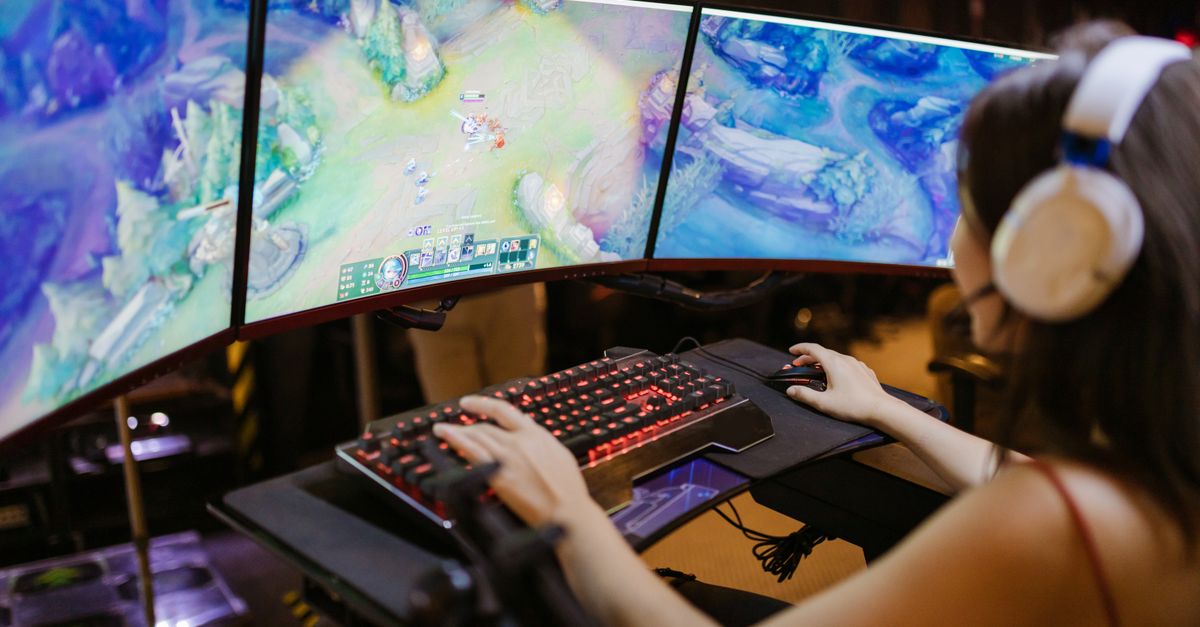
Have you noticed how online gaming has become one of the easiest ways for people of different ages to spend time together?
What used to feel like a hobby for a narrow group of players now fits into family routines, friend groups, and even casual daily check-ins. The shift did not happen overnight. It came from easier access, better communication tools, and a growing comfort with digital play as a normal part of social life.
Today, online gaming is less about sitting alone with a screen and more about shared time, shared goals, and shared stories. Kids play with classmates, adults keep in touch with old friends through regular matches, and older players use games as a low-pressure way to stay connected. That mix across age groups is what makes the habit so interesting.
Why Online Gaming Fits Modern Social Life
Online gaming fits the pace of modern life because it can be short, flexible, and social at the same time.
Easy Access Changed The Habit
For many people, the biggest shift was access. Games no longer require a special setup or a room full of equipment. A phone, laptop, or basic console is often enough to join in. That lower barrier means people can play after work, during a break, or while relaxing at home. When something is easy to start, it becomes easier to repeat, and repetition is how habits form.
The social side matters just as much. Chat features, voice communication, and shared objectives make play feel like a hangout rather than a solo activity. People who might not call each other every day can still show up in the same match or session and feel connected.
Shared Play Feels Natural
Many social habits grow when they fit into routines people already have. Online gaming does that well. Friends who live far apart can still meet at the same time each week. Parents and children can play side by side in a way that feels light and relaxed. Even people with different schedules can jump in for a few minutes and still feel part of the group.
That kind of shared play works because it gives people something to do while they talk. Instead of staring at a screen in silence, they are cooperating, laughing, reacting, and making quick decisions together. That keeps the interaction active and memorable.
How Different Generations Found Their Place
Each age group came to online gaming for slightly different reasons, but the social pull is similar.
Younger Players Grew Up With It
For younger players, online gaming has always been part of normal social life. It is where school friends meet after class, where classmates team up, and where weekend plans often start. The social rules feel familiar because the games are built around communication, teamwork, and fast feedback. For many kids and teens, gaming is simply another place to spend time with friends.
That early comfort matters. When a habit starts young, it often stays. As those players grow older, the habit shifts with them instead of disappearing. They may play less often, but the social meaning stays strong.
Adults Use It To Stay In Touch
Adults often turn to online gaming for a different reason. It is a practical way to keep friendships alive when jobs, family duties, and distance make regular meetups harder. A few rounds in the evening can replace a long commute to see friends in person. The activity gives people a reason to check in, share stories, and keep a routine going.
Some adults also like that gaming offers structure. There is a clear start, a clear purpose, and a clear end. That makes it easier to fit into a busy life than open-ended social plans. For many, the habit is less about competition and more about having a reliable social window.
Older Adults Found A Low-Pressure Entry Point
Older adults have also become part of the online gaming habit, often in ways that surprise people. Many are drawn in by family members, friends, or simple curiosity. The appeal is often practical: it is a relaxed way to talk, laugh, and stay mentally active without needing to leave home.
What makes gaming appealing across generations is that it can meet people where they are. Someone who wants fast action can find it. Someone who prefers slow strategy or simple social play can find that too. The range of options helps people of different ages share the same habit without needing the same skill level or background.
Why The Habit Sticks
Online gaming keeps its place in daily life because it offers more than entertainment.
Routine Builds Connection
People return to habits that give them comfort and predictability. A regular gaming session can become a standing appointment, much like a weekly coffee chat or a monthly family dinner. That predictability helps relationships stay active even when life gets busy.
There is also a social rhythm to it. Players begin to recognize each other’s habits, moods, and styles. Over time, the repeated interaction builds trust and familiarity. That is part of why online gaming can feel surprisingly personal, even when people are not in the same room.
For some groups, a shared username or a familiar voice in chat becomes part of everyday conversation. A friend might say they will be on later, and that small promise can shape the evening. In that way, online gaming becomes less of an isolated activity and more of a social anchor.
Small Moments Matter
The habit also sticks because it is full of small moments that feel meaningful. A quick win, a funny mistake, a close finish, or a team success can all become stories people repeat later. Those stories help keep the social memory alive. Even a short session can create something worth talking about the next day.
That is where a space like KEY4D can fit into the bigger picture of online play, since people often look for simple ways to keep shared routines going online.
How Online Gaming Supports Social Bonds
Beyond habit, online gaming often supports relationships in practical ways.
It Helps People Talk More Often
Some friendships fade not because people stop caring, but because they stop finding reasons to talk. Online gaming solves that problem by giving people a reason to check in. The game becomes the shared reason, but the conversation often goes far beyond it. People talk about work, school, family, plans, and everyday life while they play.
That mix of activity and conversation can feel easier than a formal call. There is less pressure to keep the conversation flowing because the game already fills the quiet moments. For many people, that makes social contact feel more natural.
It Creates Shared Memory
When people play together over time, they build a shared history. They remember past matches, close calls, funny mistakes, and big wins. Those memories become part of the friendship itself. Younger players may talk about sessions with classmates, while adults may bring up a regular group they have kept for years.
Shared memory matters because it gives relationships depth. It also helps explain why online gaming is not just a passing trend. Habits last longer when they carry emotional value, and shared memory gives that value a strong base.
What This Means For Family And Community
The social habit of online gaming has also changed how families and communities spend time together.
Families Found New Ways To Connect
In many homes, gaming has become a bridge between age groups. Parents may play with children, siblings may team up from different rooms, and distant relatives may use games as a reason to talk more often. The activity gives families something active to do together instead of only sitting and chatting.
That matters because shared activities often create stronger bonds than passive ones. When everyone is working toward the same goal or reacting to the same moment, the connection feels immediate. It also gives each person a role, which can make family time feel more balanced and fun.
Communities Form Around Regular Play
Online gaming also supports small communities built around routine play. These groups may start with friends, schoolmates, or relatives, but they often grow into steady social circles. People show up because they enjoy the game, but they stay because they enjoy the people.
A simple KEY4D LINK can represent how online spaces now act as meeting points, not just places to pass time. The habit is social because the people matter as much as the activity itself.
Why The Habit Keeps Growing
Online gaming continues to spread because it matches how people already live and communicate.
It Fits Short And Long Social Time
Some social habits need a lot of time, planning, and travel. Online gaming can fit into both short and long windows. A person can join for ten minutes or stay for hours. That flexibility helps the habit survive busy schedules and changing routines.
It also helps that the activity can be casual or serious without changing the social value. A player does not need to be highly skilled to be part of the group. That makes the habit open to more people, which is one reason it crosses generations so easily.
It Feels Familiar Across Ages
Even though age groups use online gaming differently, the basic social pattern is familiar to all of them. People want connection, routine, and something to talk about. Games provide all three. That is why the habit keeps growing in homes, friend groups, and online circles.
In the end, online gaming became a new social habit because it answers a very old human need in a modern way. People want to spend time together, and games give them a simple, repeatable way to do that. Across generations, that has made online play part of everyday social life rather than just a hobby on the side.
