

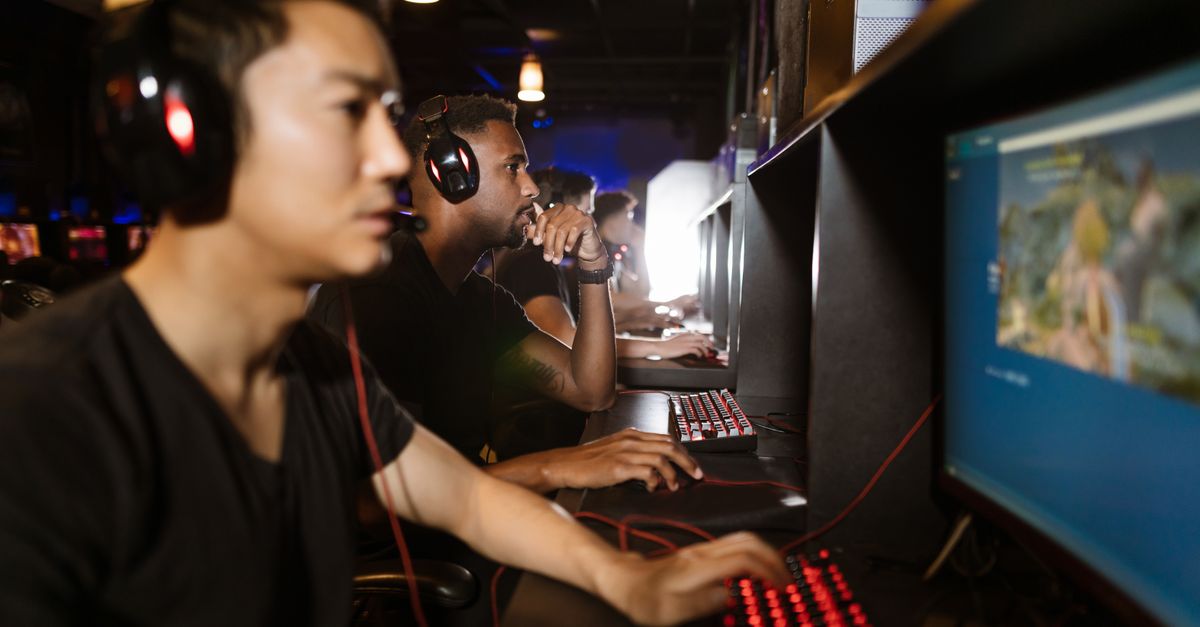
Have you ever noticed how online gaming keeps showing up in music, memes, social feeds, and even everyday conversation? That is not an accident. Online gaming has become one of the strongest influences on digital culture because it mixes entertainment, communication, creativity, and identity in one place.
What used to be seen as a niche hobby now shapes how people talk, share, compete, and build communities online. It affects slang, humor, fashion, streaming habits, and even how people expect digital spaces to work. The impact is broad because online games are not isolated experiences anymore. They are social spaces, media platforms, and creative outlets all at once.
The interesting part is that online gaming does not influence digital culture only through the games themselves. It also shapes the behavior around them, from live chats and fan art to short clips and community debates. That ripple effect keeps growing as more people use games as part of their daily online life.
Online Gaming As A Social Space
One of the biggest reasons online gaming matters so much is that it gives people a place to meet and interact.
From Solo Play To Shared Identity
Online games often start with play, but they quickly become social spaces where people form groups, build trust, and create shared memories. Players talk through voice chat, message each other, and return regularly to see the same names and faces. That repeated contact builds a sense of belonging that many other digital spaces try to copy.
This social layer changes how people think about online identity. A player is no longer just a username on a screen. They may be known for their humor, skill, kindness, or leadership. That kind of identity building has influenced how people present themselves across the internet, from profiles to comment sections.
Games also make online interaction feel more active than passive scrolling. People are not just watching content. They are taking part in it. That difference has helped shape modern digital habits, where users expect to interact instead of simply consume.
How Games Shape Online Language
Online gaming has also changed the way people speak on the internet.
Slang, Shortcuts, And Shared References
Many phrases that started in games now appear in everyday digital conversations. Players use short expressions, reaction words, and inside jokes that spread across social platforms. These terms often become part of a wider online vocabulary because they are quick, expressive, and easy to reuse.
This matters because language helps shape culture. When people borrow gaming terms, they also borrow the fast, playful style that comes with them. That style fits digital communication well, where messages are short and reactions need to land fast.
Gaming language also creates a sense of shared knowledge. If someone understands a reference, they feel included. If they do not, they often learn it by watching clips, reading posts, or joining conversations. That process helps gaming culture spread far beyond the players themselves.
Memes play a big part in that spread. A moment from a game can turn into a joke format, a reaction image, or a caption that gets reused in many settings. Once that happens, the original game becomes part of a larger cultural conversation.
Streaming And Clip Culture
Online gaming has had a huge effect on how people consume and share media.
Watching Play Became A Form Of Entertainment
Before live streaming became common, games were mainly something you played. Now, many people watch others play for fun, advice, or social connection. This shift helped create a new kind of digital entertainment where personality, skill, and quick reactions matter as much as the game itself.
Short clips have pushed that influence even further. A funny mistake, a clever move, or a dramatic finish can spread quickly and reach people who never played the game at all. These clips work because they are easy to share and easy to understand, even with little context.
That clip-based format has changed broader digital culture too. It has trained audiences to expect fast, high-impact moments. It has also encouraged creators in other fields to think in terms of short highlights that can travel across platforms.
Streaming chat adds another layer. Viewers do not just watch. They comment, react, joke, and shape the mood in real time. That kind of crowd participation has influenced how people expect live digital events to feel.
Creative Expression Around Games
Another major reason online gaming keeps shaping digital culture is the amount of creativity it inspires.
Fan Art, Mods, And Community Content
Players often respond to games by making art, videos, music, cosplay, and written stories. These creations extend the life of a game and turn it into a source of ongoing cultural output. In many cases, the community content becomes almost as visible as the game itself.
That creative response is important because it turns consumers into contributors. People are not just reacting to the media. They are building on it. This has influenced digital culture by making participation feel normal and expected. Online spaces now often reward remixing, parody, and reinterpretation.
Some players also create custom content inside games, which shows how games can function like creative toolkits. Even people who are not trained artists or coders can make things that others enjoy and share. That lowers the barrier to expression and keeps digital culture active and personal.
Community Rules And Online Behavior
Online gaming has helped shape what people expect from digital communities.
Cooperation, Competition, And Accountability
Most online games depend on teamwork, timing, and clear communication. Because of that, players often learn how to coordinate with strangers, handle conflict, and adapt to group goals. Those habits carry into other online spaces where people work together or share common interests.
At the same time, gaming communities also show the problems of digital interaction. Poor behavior, harassment, and toxic competition can appear in highly competitive spaces. That has made games part of a larger conversation about moderation, respect, and community standards online.
Many players now expect clearer rules and stronger moderation because they have seen how much those things affect the experience. That expectation has spread beyond games and helped shape how people judge forums, chat spaces, and social platforms in general.
Online gaming also teaches fast feedback. People win, lose, improve, and try again in a cycle that is easy to measure. That feedback loop has influenced how users think about progress in digital spaces, where visible response and recognition often matter a lot.
Why The Influence Keeps Growing
Online gaming keeps affecting digital culture because it matches how people use the internet now.
Fast Content, Shared Spaces, And Constant Interaction
People want spaces where they can interact, express themselves, and feel part of something larger. Online games meet those needs in a direct way. They combine competition, creativity, and social contact in a format that keeps people returning.
They also fit the pace of modern digital life. Games produce clips, reactions, updates, and community posts that travel quickly. That constant output keeps them visible across platforms and helps them stay part of everyday online culture.
As more people grow up with gaming as a normal part of life, its influence becomes even more natural. It no longer feels separate from digital culture. It helps define it. From language and humor to social behavior and creative expression, online gaming continues to shape how people connect online.
The reason is simple: games are no longer just games. They are social habits, media sources, and cultural engines that keep feeding the internet with new ideas, new styles, and new ways to connect.
