

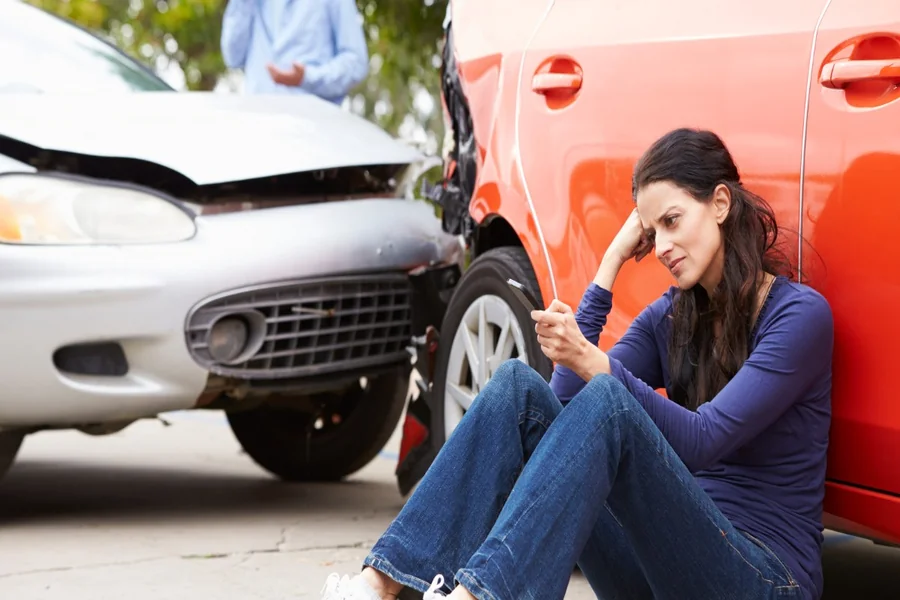
Understanding the Causes Behind the Crashes
Car accidents are an unfortunate and common occurrence on the road. Despite advancements in vehicle safety features and stricter traffic laws, collisions still occur every day. Some are minor fender-benders, while others lead to life-changing injuries or even fatalities. While many people chalk these incidents up to bad luck or being in the wrong place at the wrong time, the truth is that most car accidents are preventable. They typically stem from identifiable causes—often involving human error, distraction, or poor decision-making.
One of the leading contributors to accidents is distracted driving. In today’s world of smartphones, infotainment systems, and constant connectivity, staying focused while driving is more challenging than ever. A glance at a text message or changing the music playlist might not seem like a big deal, but it only takes a second of inattention to cause a crash. According to the National Highway Traffic Safety Administration, thousands of deaths and hundreds of thousands of injuries every year are linked to driver distraction.
Speeding is another common culprit. Whether it’s someone running late to work or simply ignoring the posted limits, excessive speed reduces a driver’s ability to react to sudden changes, like a pedestrian stepping into the street or a car braking suddenly ahead. The faster the speed, the longer the stopping distance, and the more severe the impact in the event of a collision.
Driving under the influence remains a persistent issue, despite years of public education campaigns and stringent legal penalties. Alcohol, drugs, and even certain prescription medications can impair judgment, slow reaction times, and reduce coordination, creating a dangerous situation for everyone on the road.
Fatigue is also a silent but deadly cause of many crashes. Drowsy drivers experience slowed reaction times and, in extreme cases, may fall asleep behind the wheel. Long-distance truckers, shift workers, and parents of young children are among those most at risk.
Poor weather conditions, such as heavy rain, fog, or icy roads, also contribute to accidents. However, the weather itself isn’t always to blame—it’s often a driver’s failure to adjust their behavior to match the conditions that leads to trouble.
How to Avoid Becoming a Statistic
The good news is that many car accidents can be avoided by combining attentiveness, defensive driving, and respect for the road rules. It starts with staying focused. Putting away the phone, limiting in-car distractions, and keeping your eyes and mind on the road can significantly reduce the chance of being involved in a collision.
Driving at a safe, legal speed is equally important. Speed limits are set for a reason—they’re based on road design, traffic flow, and safety studies. When you exceed those limits, you’re not just breaking the law—you’re increasing your risk and the risk to others around you.
If you plan to drink, make arrangements in advance. Designate a sober driver, use a rideshare service, or stay where you are until it’s safe to drive. The same goes for medications—if you’re not sure whether a prescription can impair your ability to drive, ask your doctor or pharmacist.
Getting enough rest is a key component of safe driving. If you’re feeling tired, don’t push through it. Take breaks, switch drivers if possible, or pull over to rest. It’s better to be late than not to arrive at all.
In bad weather, slow down and increase your following distance. Ensure your tires are in good condition, your headlights are functioning properly, and your windshield wipers are working effectively. And if the conditions become too dangerous, don’t drive. Delaying a trip or pulling over could save your life.
Defensive driving techniques are also invaluable. This means staying aware of your surroundings, anticipating other drivers’ actions, and always having an “out”—an escape route or backup plan in case something unexpected happens. Being a cautious and courteous driver goes a long way toward reducing the chances of being involved in an accident.
What to Do If an Accident Happens
Even the most cautious driver can find themselves in a crash. When that happens, it’s important to know how to respond. First, check for injuries and call emergency services if needed. Move vehicles out of the way of traffic if it’s safe to do so, and exchange information with the other driver, including contact and insurance details.
Document the scene—take photos of the vehicles, any visible injuries, and the surrounding area. If there are witnesses, get their contact information as well. This evidence can be crucial if a dispute arises later about who was at fault.
You’ll also need to notify your insurance company and file a report with the police, depending on the severity of the accident. And if injuries are involved, it may be wise to consult with a legal professional.
A Florida car accident lawyer can help guide you through the often-confusing post-accident process. From dealing with insurance adjusters to ensuring you’re fairly compensated for medical bills, lost wages, and other damages, having legal support can take some of the pressure off your shoulders. Especially in cases where fault is contested or injuries are significant, having someone on your side can make a meaningful difference in your recovery.
The Responsibility We All Share
Driving is a privilege and a responsibility. Every time you get behind the wheel, you’re not just in control of your safety—you’re influencing the safety of everyone around you. While you can’t control the actions of others, you can control how you respond, how you prepare, and how you act on the road.
Understanding why accidents happen is the first step toward avoiding them. Staying alert, being courteous, and respecting the rules of the road can help prevent needless tragedy. In the end, avoiding a car accident isn’t just about protecting your vehicle—it’s about preserving lives. And that’s a responsibility worth taking seriously every single time you drive.
