

Accurate weight measurement plays a vital role in many industries, from manufacturing and logistics to retail and scientific research. Businesses rely on precise measurements to ensure product quality, maintain inventory accuracy, and meet regulatory standards. Whether weighing raw materials, finished goods, or small components, having reliable measuring equipment helps organizations maintain consistency and efficiency in their operations.
In many professional environments, weighing devices are used daily to verify quantities, monitor production processes, and ensure compliance with quality standards. Even a small measurement error can lead to product defects, inaccurate pricing, or incorrect material usage. This is why modern industries depend on advanced weighing technology that can provide precise and repeatable results.
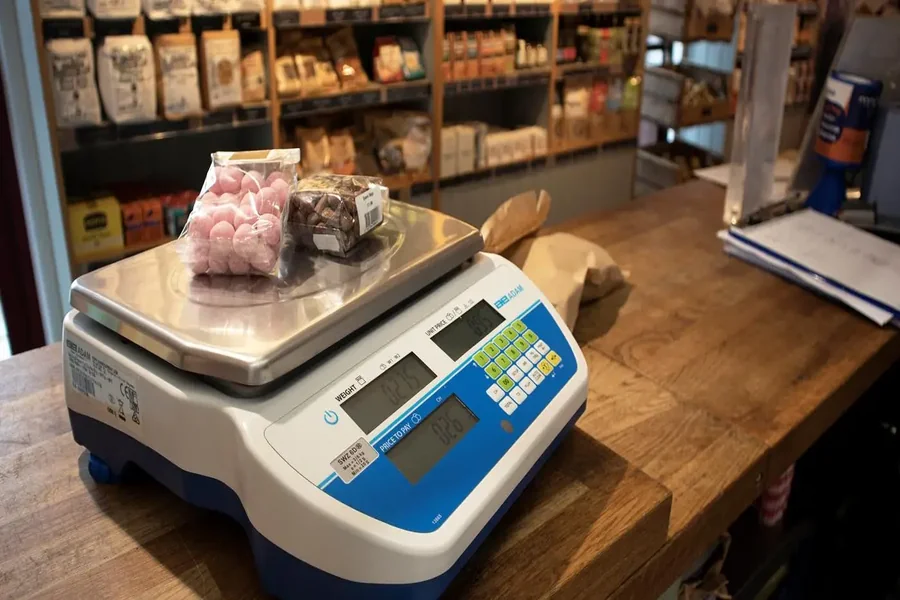
One commonly used type of weighing device is the 計 重 秤, which is designed to measure the weight of various objects accurately. These scales are used in many environments where dependable weight measurement is necessary for operational efficiency and quality control.
Understanding the Purpose of Weighing Equipment
A weighing scale is an instrument designed to measure the weight or mass of an object. These devices can range from small tabletop scales used in laboratories to large industrial systems capable of weighing heavy machinery or vehicles.
The primary purpose of a weighing scale is to provide reliable measurement data that helps businesses and professionals make informed decisions. For example, manufacturers use weight measurements to control the amount of raw materials used in production, while retailers rely on scales to determine the price of goods sold by weight.
Because weight measurement is so widely used, modern weighing technology has evolved to provide faster readings, higher accuracy, and improved durability.
How Digital Weighing Scales Work
Most modern weighing systems use electronic sensors to measure weight. When an object is placed on the scale, it exerts force on a sensor known as a load cell. This sensor slightly bends under the applied force and converts the pressure into an electrical signal.
The scale’s internal system processes this signal and converts it into a digital value that appears on the display. The heavier the object placed on the scale, the greater the change detected by the sensor, which results in a higher weight reading.
This technology allows modern scales to detect even small differences in weight, making them suitable for a wide range of professional applications.
Types of Weighing Scales Used in Different Industries
Different industries require different types of weighing equipment depending on the capacity and level of accuracy required.
Bench scales
Bench scales are commonly used on worktables or counters. They are often used in laboratories, retail environments, and packaging operations where smaller items need to be weighed.
Platform scales
Platform scales are larger and designed to weigh heavier loads such as pallets, containers, or bulk materials.
Counting scales
Counting scales help determine the number of items in a batch by measuring total weight and calculating quantity based on individual item weight.
Industrial truck scales
Large-scale weighing systems are used in industries such as logistics, mining, and transportation to weigh trucks and heavy vehicles.
Each type of scale is designed to meet specific measurement needs while maintaining accuracy and durability.
Benefits of Accurate Weighing Systems
Reliable weighing equipment offers several important advantages for businesses.
Improved product quality
Accurate measurements ensure that products meet required specifications and maintain consistent quality.
Efficient inventory management
Weighing systems help track materials and finished goods accurately, making inventory control easier.
Fair trade and pricing
Retailers rely on accurate scales to ensure customers receive the correct quantity of goods.
Regulatory compliance
Many industries must follow strict measurement regulations, making accurate weighing systems essential.
Using dependable equipment such as a 計 重 秤 helps businesses maintain these standards and operate more efficiently.
Applications Across Various Industries
Weighing technology is widely used in many sectors where accurate measurement is critical.
Manufacturing
Factories measure raw materials and finished products to ensure consistency in production.
Logistics and transportation
Shipping companies use large scales to determine cargo weight and optimize load distribution.
Food processing
Food manufacturers rely on accurate measurements to maintain product consistency and comply with safety regulations.
Laboratories and research
Scientists use high-precision scales to measure small samples during experiments and analysis.
In each of these environments, reliable measurement tools help maintain operational accuracy and efficiency.
Maintaining Accuracy in Weighing Equipment
To ensure accurate results, weighing equipment should be regularly maintained and calibrated. Over time, environmental factors such as temperature changes, vibrations, or heavy usage can affect measurement accuracy.
Proper placement of the scale on a stable surface also helps reduce measurement errors. Regular calibration with certified weights ensures that the device continues to provide reliable readings.
By following proper maintenance practices, businesses can extend the lifespan of their weighing equipment and maintain consistent measurement accuracy.
Conclusion
Accurate weight measurement is essential for many industries that depend on precise quantities and reliable data. From production lines and laboratories to retail stores and logistics operations, weighing systems support efficient processes and quality control.
Modern weighing technology uses advanced sensors and digital systems to deliver accurate and consistent results. By selecting appropriate equipment and maintaining it properly, organizations can ensure reliable measurements for a wide range of applications.
Tools such as a 計 重 秤 provide the precision needed for professional environments where accuracy is critical, helping businesses maintain efficiency, quality, and trust in their operations.
