

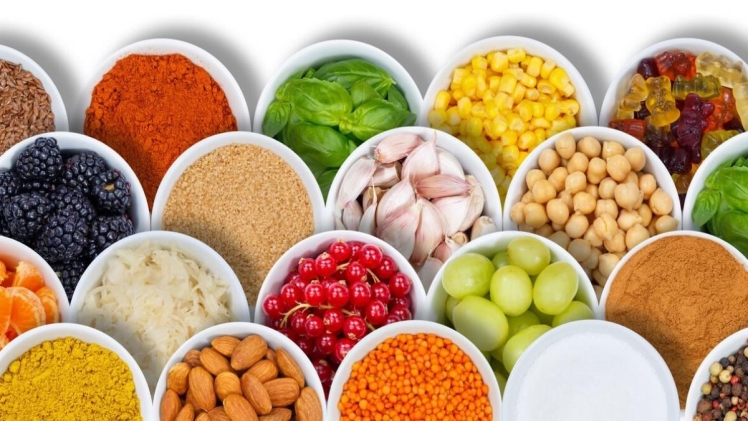
Food safety is an important concern when it comes to the health and well-being of individuals and families. Certain foods are considered to be high-risk and should be handled, stored, and prepared with special care to reduce the risk of food-borne illness. Understanding which foods are high-risk, and why, is essential for food safety.
Types of High-Risk Foods
High-risk foods are those that are most likely to become contaminated with bacteria or other microorganisms that can cause food poisoning. These foods include:
- Raw or undercooked meats, poultry, and seafood – These foods can contain harmful bacteria such as salmonella or E. coli.
- Unpasteurized milk and dairy products – Unpasteurized milk and dairy products may contain harmful bacteria like listeria.
- Raw eggs – Raw eggs can contain salmonella bacteria.
- Raw sprouts – Sprouts, such as alfalfa, mung bean, and clover, can contain salmonella, E. coli, and listeria.
- Deli meats and hot dogs – These foods may contain listeria, salmonella, or other bacteria.
- Refrigerated pâtés and meat spreads – These products may contain listeria.
- Unwashed fruits and vegetables – Unwashed fruits and vegetables may contain harmful bacteria or parasites.
Potential Health Risks of High-Risk Foods
The health risks associated with eating high-risk foods can be severe. Eating contaminated food can lead to food poisoning, which can cause symptoms such as nausea, vomiting, diarrhea, fever, and abdominal pain. In some cases, food poisoning can be life-threatening.
It is important to take proper precautions when handling, storing, and preparing high-risk foods. This includes washing hands, utensils, and surfaces before and after handling food, cooking food to the proper temperature, and refrigerating foods promptly.
High-risk foods can be dangerous if not handled, stored, and prepared properly. Understanding which foods are considered high-risk and taking the necessary precautions can help reduce the risk of food-borne illness.
