

A well-organized stockroom can make everyday business operations much easier. When employees can find products quickly and understand exactly where inventory belongs, orders move faster, stock levels become easier to manage, customers get served sooner, and fewer mistakes occur.
But creating a storage space takes more than putting shelves against a wall. It requires a practical layout, consistent organization, clear labeling, and a system that supports your business as it grows. This article will share some tips and tricks on how you can make a difference.
Design a Stockroom Layout That Supports Daily Operations
Start by considering how inventory moves through your business. Think about where deliveries arrive, where products are stored, where items are unpacked and sorted, and how employees retrieve items when fulfilling orders or restocking shelves. Ideally, these activities should follow a sequence that minimizes unnecessary movement. A layout that forces employees to walk across the entire room for frequently requested products can slow down operations throughout the day.
Make the most of your floor space by installing shelving and keeping walkways clear. Then, position frequently accessed inventory near convenient picking areas, while slower-moving products can occupy less accessible shelves. Leave enough room for employees to move safely when handling boxes or transporting supplies.
Organize Inventory by Product Type and Demand
Knowing where everything belongs is essential for maintaining an efficient stockroom. Rather than storing products wherever space is available, establish designated areas based on product categories, sizes, sales frequency, or other relevant characteristics. This makes it easier for employees to locate items without having to search through unrelated inventory.
First, consider how frequently each product sells. High-demand items should remain within easy reach, while seasonal merchandise or products with lower turnover can be stored farther away. Clearly labeled shelves also help employees (especially new hires or seasonal staff) quickly identify the correct storage locations and return products to their designated areas after use or restocking. Consistency matters, too. When everyone follows the same organizational system, inventory becomes much easier to manage.
Choose Practical Storage Bins for Smaller Inventory
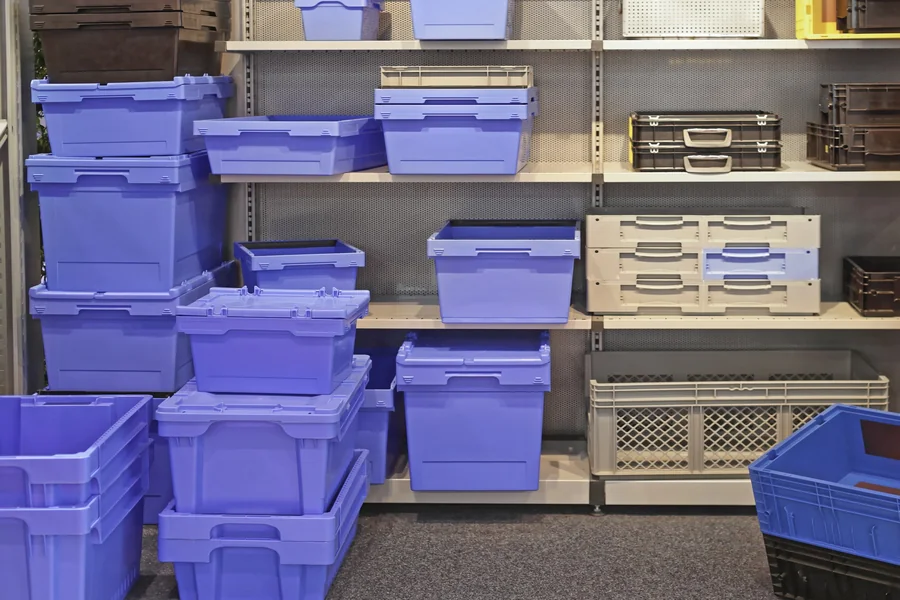
Small products, loose supplies, odd-sized items, and individual components can quickly create clutter when they are left in open boxes or scattered across shelves. To avoid this, use appropriately sized containers to keep these items together. Look for durable, stackable storage bins that can accommodate different inventory quantities without making products difficult to access.
When selecting storage bins, like those from Filingsupplies.com, consider the dimensions of your shelving and the types of items you need to store. Transparent containers are useful when you want items to be easily seen. Meanwhile, labeled bins are great for small items that need specific sorting and another layer of organization. You can also assign containers to product categories. This method reduces misplaced inventory and prevents employees from wasting time searching through cluttered shelves.
Establish a Reliable Inventory Tracking System
An organized physical space is only part of an efficient stockroom. You also need an accurate way to monitor what comes in, what goes out, what remains available, and what’s reserved. Without consistent inventory tracking, small businesses can experience unexpected shortages, excessive purchasing, order inconsistencies, and discrepancies between recorded stock levels and actual quantities.
Start with a system that suits your business size and operational needs. A spreadsheet may be sufficient for a small inventory, while dedicated inventory management software can offer more advanced tracking as your product range expands. Then, record incoming deliveries promptly and update quantities whenever products are sold or removed. Assigning SKU numbers or barcodes to individual products can also simplify identification. Most importantly, make inventory updates part of everyday responsibilities rather than leaving them until the end of the month.
Maintain Clear Labels and Stockroom Safety Standards
Labels are effective for improving stockroom organization. Each storage area should have clear identification so employees know exactly where products belong; include product names, SKU numbers, or other useful details where appropriate. For frequently handled inventory, labels should be easy to read from a normal standing position. Safety deserves equal attention. Managers should make sure to keep heavier products on lower shelves to reduce the risk of falling items or lifting injuries.
Avoid overloading shelving units, and ensure that frequently used equipment remains accessible without obstructing walkways. Regularly inspect storage areas for damaged shelves or packaging that could create hazards. The end would be a clean, clearly labeled stockroom that’s easier to navigate and provides employees with a more dependable, streamlined working environment.
Schedule Regular Stockroom Reviews and Improvements
Even a well-planned stockroom can become disorganized without ongoing attention. As your business changes, certain products may become more popular, new inventory categories may be introduced, seasonal stock levels may fluctuate, and existing storage arrangements may no longer work as effectively.
Regular reviews help you identify these issues before they affect daily operations. So, set aside time each week to check for misplaced items, empty containers, damaged labels, low-stock products, and shelves that need reorganizing. Periodic inventory counts can also reveal discrepancies and highlight slow-moving stock. For better improvements, you may ask your employees, too. They often notice practical problems with storage arrangements because they work with the inventory every day.
Conclusion
Setting up an efficient stockroom is an investment in your business’s daily productivity. With a thoughtful layout, clearly organized inventory, suitable storage solutions, and reliable tracking procedures, you can create a space that supports smoother operations.
Start with the improvements that will have the greatest immediate impact, then refine your system as your needs evolve.
