

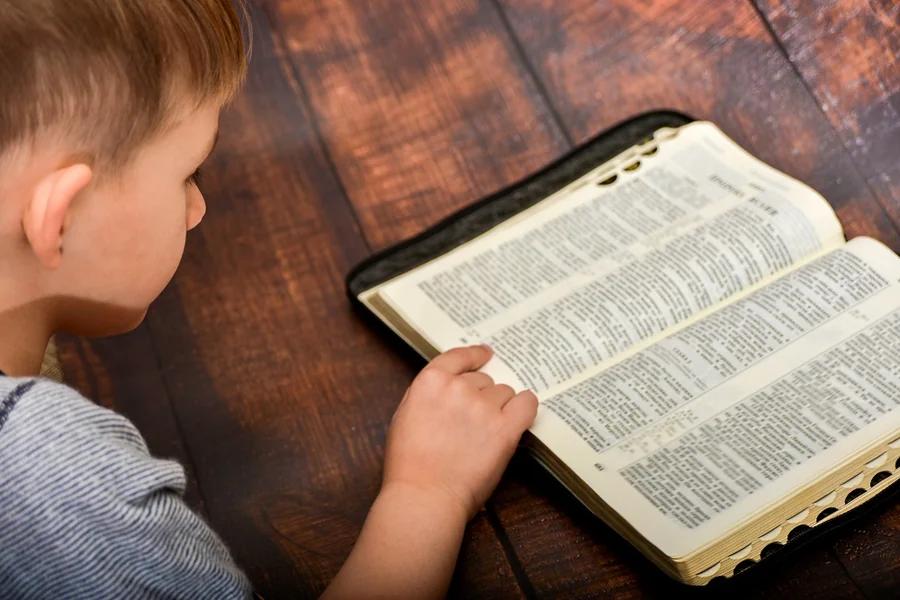
Children play an important role in the life of every church community. Their early experiences with faith help shape how they understand God and approach the world around them. Children’s ministry gives them a welcoming space to learn about the Bible and develop a meaningful connection with their faith. It also allows the congregation to take an active role in supporting the next generation.
However, the value of children’s ministry extends beyond weekly lessons or Sunday school activities. It influences how children build relationships and participate in church life. Here are some reasons every church community should make children’s ministry an important part of its mission.
It Builds a Strong Foundation for Spiritual Growth
Children begin forming their understanding of faith during their early years. Children’s ministry introduces them to biblical teachings through simple lessons and stories that help them understand God’s love. Congregations such as First Presbyterian Church demonstrate the importance of giving young members opportunities to strengthen their spiritual understanding from an early age.
Beyond learning Bible stories, children also discover how faith guides their everyday actions. They gain opportunities to ask questions and understand the values behind each lesson. With encouragement from ministry leaders, these early experiences help children build a personal connection with God that continues to develop as they mature.
It Helps Children Feel Connected to Their Church
Feeling accepted makes a meaningful difference in how children experience church life. Children’s ministry gives them opportunities to meet other young members and build friendships through shared activities. These connections help them feel more comfortable attending services and participating in group discussions. Supportive interactions with ministry leaders also reassure children that their thoughts and contributions matter.
As children become familiar with the people around them, they begin to see the church as a place where they belong. Regular participation helps them develop stronger relationships with their peers and other members of the congregation. These positive experiences encourage them to stay involved as they grow older. More importantly, they learn that church offers a community where they can find encouragement and support throughout different stages of life.
It Shapes How Children Treat Others
Spiritual education also influences the way children interact with people outside the church. Bible stories introduce important lessons about compassion, honesty, forgiveness, and respect. Ministry leaders reinforce these values through discussions and real-life examples that children easily understand. For instance, a lesson about kindness might encourage a child to help a classmate who feels left out. These everyday moments give children opportunities to put their beliefs into practice. Through consistent guidance, they begin to recognize how their actions affect the people around them.
It Gives Families Additional Support
Parents often introduce their children to faith at home, but a supportive church community adds another valuable source of guidance. Children’s ministry creates opportunities for families to discuss spiritual lessons beyond Sunday services. Parents also meet other families who share similar goals for their children’s development. These relationships provide encouragement during different stages of family life. More importantly, children benefit when the lessons they hear at church connect with the values their parents teach at home. This shared effort helps create a more consistent foundation for spiritual development.
It Encourages Children to Become Future Leaders
As children become more involved in church activities, they begin discovering how they can contribute to something larger than themselves. Simple responsibilities, such as helping with a group activity or participating in a worship presentation, introduce them to leadership. These opportunities also help them recognize the value of taking initiative and supporting others.
Through these experiences, children learn to speak with confidence and take responsibility for their actions. They also discover that leadership does not always require a position of authority. Sometimes, it starts with a willingness to help and work alongside others toward a shared goal.
When churches encourage children to participate, they help young members develop skills that extend beyond ministry activities. These early experiences may inspire them to take on greater responsibilities as they mature. Eventually, children can apply the lessons they learn to their schools and wider communities.
It Strengthens Relationships Across Generations
Children’s ministry also creates opportunities for different generations to connect. Older congregation members can share their experiences and offer guidance, while younger members bring fresh energy to church activities. These interactions help build relationships that extend beyond individual ministry programs. Church gatherings and family events give members opportunities to get to know one another in a relaxed setting. Such connections remind everyone that children have an important place in the congregation. When adults actively welcome younger members, they help create a church culture that values every generation.
Final Thoughts
Children’s ministry makes a lasting difference because its influence reaches beyond childhood. It helps young members develop their faith while encouraging families and the wider congregation to support their growth. More importantly, it reminds churches that their communities need opportunities for every generation to participate and build meaningful relationships.
Investing in children means investing in the future of the church. When congregations create welcoming opportunities for young members to learn and get involved, they help establish a stronger foundation for the generations ahead. The lessons children learn today may continue to guide their decisions and relationships throughout their lives.
