

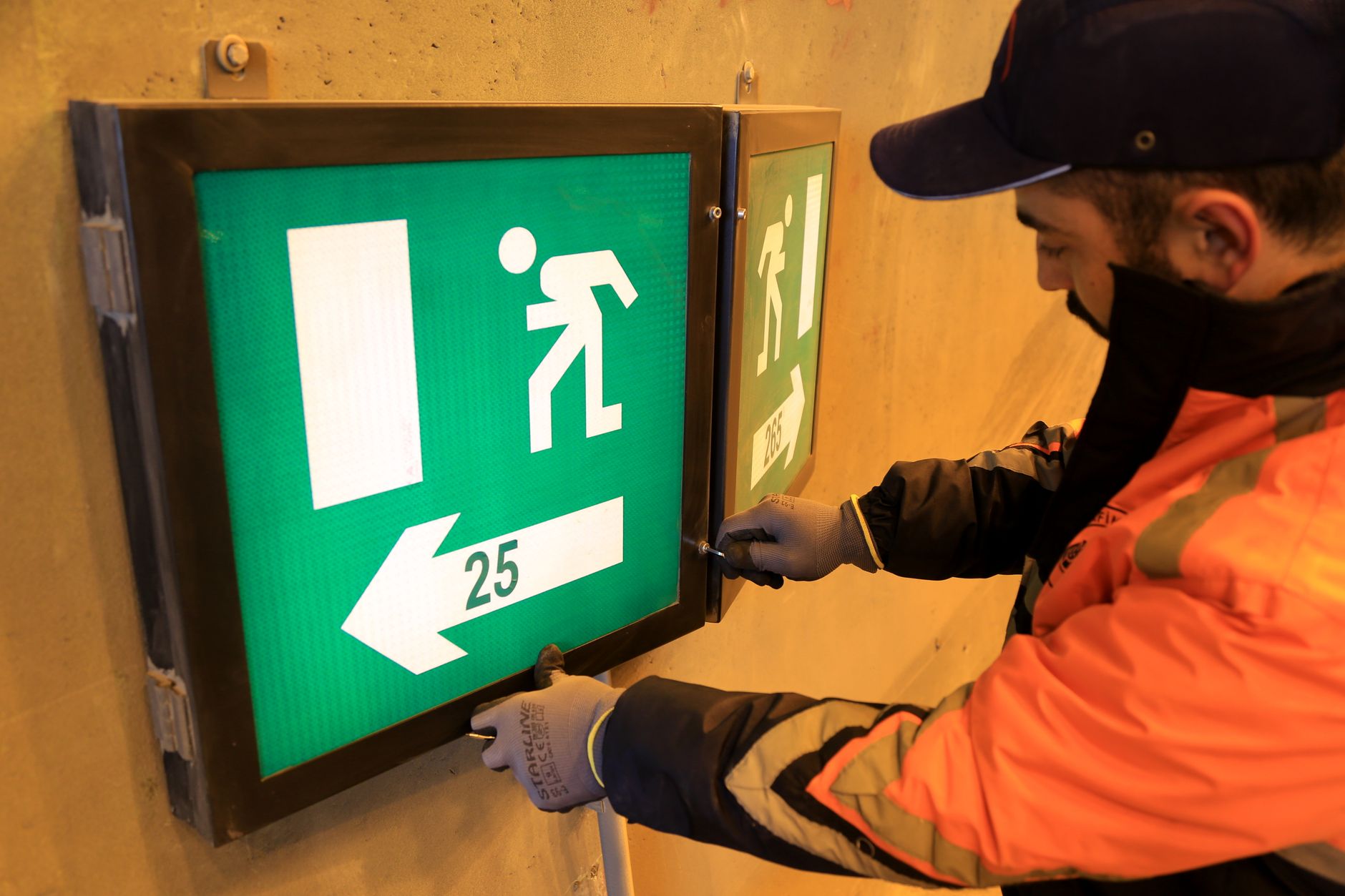
An emergency electrician is a licensed electrical professional who specializes in responding to urgent electrical problems that require immediate attention to protect people, property, and essential systems. Unlike standard electricians who typically work on scheduled jobs such as installations, renovations, or routine maintenance, emergency electricians are available outside normal working hours and are trained to handle sudden, potentially dangerous electrical failures.
These specialists play a critical role in both residential and commercial environments, where electrical issues can escalate quickly from minor inconveniences to serious hazards. Their work focuses on rapid diagnosis, safe intervention, and temporary or permanent repair of faults that cannot wait until regular business hours.
What qualifies as an electrical emergency?
To understand what an emergency electrician is specialized for, it helps to define what counts as an electrical emergency. Not every electrical issue requires urgent intervention, but certain situations clearly do.
Common emergencies include complete power outages affecting only one property, burning smells coming from outlets or electrical panels, sparking wires, frequently tripping circuit breakers, and visible damage to wiring. In more severe cases, electrical faults can cause smoke, small fires, or electric shocks when touching appliances or switches. These situations demand immediate action because they indicate a risk of fire, electrocution, or damage to critical infrastructure.
Emergency electricians are trained to recognize the severity of these issues within minutes of arrival. Their primary goal is not just to restore power, but to ensure that the environment is safe before any repairs are completed.
Specialized rapid response skills
One of the main specialties of an emergency electrician is rapid response troubleshooting. Electrical systems are complex networks of circuits, breakers, and distribution panels. When something fails unexpectedly, identifying the root cause quickly requires deep technical knowledge and experience.
Emergency electricians are skilled at working under pressure. They often arrive at the scene with limited information and must immediately assess whether the problem originates from internal wiring, external supply issues, overloaded circuits, or faulty appliances. Their training allows them to isolate problems efficiently without causing further disruption or danger.
They also carry specialized diagnostic tools such as multimeters, voltage testers, and thermal imaging devices. These tools help them detect hidden faults, overheating components, or irregular electrical flow that might not be visible during a basic inspection.
Focus on safety and hazard prevention
Safety is the core specialization of an emergency electrician. Electricity is inherently dangerous, especially when systems are damaged or malfunctioning. One wrong move can lead to serious injury or property damage, so emergency electricians are trained to follow strict safety protocols.
Before any repair begins, they ensure the power supply is safely isolated when necessary. They assess risks such as exposed wires, water damage near electrical sources, or overloaded circuits that could ignite a fire. In many cases, they also secure the area to prevent others from accidentally coming into contact with hazardous components.
Another key aspect of their specialization is fire prevention. Many electrical emergencies are directly linked to overheating circuits or faulty wiring, which are common causes of residential and commercial fires. Emergency electricians not only fix the immediate issue but also identify underlying risks that could lead to future incidents.
Availability and 24/7 service
A defining characteristic of emergency electricians is their availability. Electrical emergencies do not follow a schedule—they can happen at night, during weekends, or on public holidays. Because of this, emergency electricians typically operate on a 24/7 on-call basis.
This constant availability requires them to be highly adaptable and ready to respond at short notice. Many operate within service areas where they can reach clients quickly to minimize downtime and risk. Fast response time is often critical, especially in cases where power loss affects medical equipment, security systems, or refrigeration units in commercial settings.
Residential emergency services
In homes, emergency electricians handle a wide range of urgent issues. Power outages that affect only part of a house often indicate a tripped circuit or damaged wiring. Emergency electricians are called to restore functionality while ensuring the underlying cause is properly addressed.
They also deal with faulty outlets, overloaded fuse boxes, and electrical faults caused by water leaks or storms. In older homes, outdated wiring systems can become dangerous over time, and emergency electricians are often responsible for identifying when immediate rewiring or replacement is necessary.
For families, their work provides peace of mind. Electrical failures can be stressful and disruptive, especially when they affect heating, lighting, or essential appliances.
Commercial and industrial specialization
In commercial and industrial environments, emergency electricians handle more complex systems. Businesses rely heavily on continuous power for operations, security, data systems, and customer service. A sudden outage can lead to financial loss, equipment damage, or operational shutdowns.
Emergency electricians working in these environments are trained to manage high-voltage systems, backup generators, emergency lighting systems, and industrial machinery. They must often coordinate repairs without interrupting critical business functions more than necessary.
In industries such as healthcare or manufacturing, even a short electrical failure can have serious consequences. Emergency electricians in these settings must act quickly and precisely to restore functionality while maintaining strict safety standards.
Diagnostic and repair specialization
Another key area of specialization is fault diagnosis. Electrical systems are often interconnected, meaning a single issue can affect multiple circuits or devices. Emergency electricians are trained to trace problems back to their source rather than simply treating symptoms.
Once the issue is identified, they perform either temporary fixes to restore immediate power or permanent repairs if conditions allow. In some cases, they may recommend further work, such as rewiring or panel upgrades, to prevent recurrence.
Their ability to distinguish between urgent repair needs and long-term system improvements is an important part of their expertise.
An emergency electrician is specialized for rapid, safe, and effective response to urgent electrical problems that pose risks to people and property. Their expertise goes beyond basic electrical work, combining advanced diagnostic skills, safety management, and the ability to operate under pressure at any time of day.
Whether in homes, businesses, or industrial facilities, they serve as first responders to electrical failures, ensuring that dangerous situations are contained and power systems are restored as quickly and safely as possible.
